Bestiary
The anti-patterns you've seen but couldn't name — with symptoms, stakes, and what each chapter teaches.
Take the “Which class are you?” quiz → · Run the “What's haunting your codebase?” diagnostic →
Showing 50 entries
 V1
V1
The Cleric
character
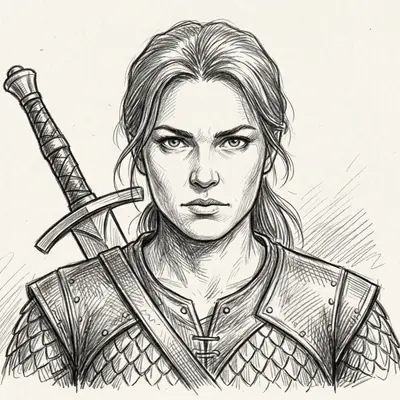 V1
V1
The Fighter
character
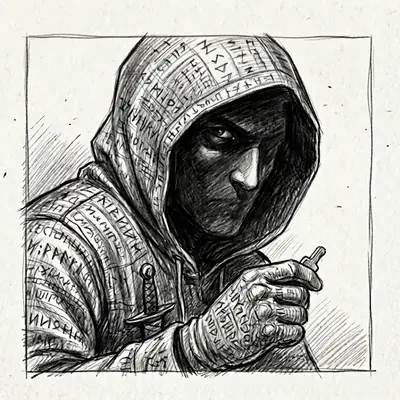 V1
V1
The Rogue
character
 V1
V1
The Wizard
character
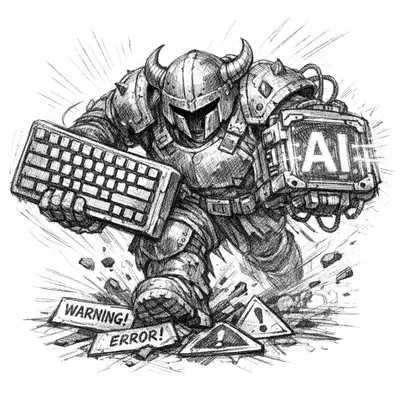 V1
V1
Bulldozer of AI Confidence
archetype
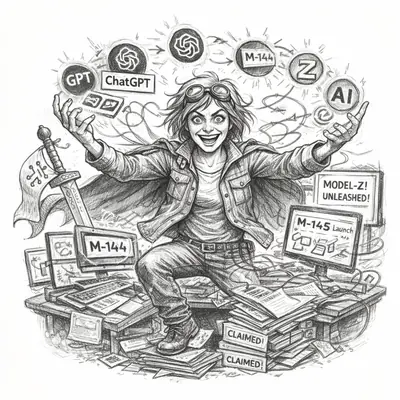 V1
V1
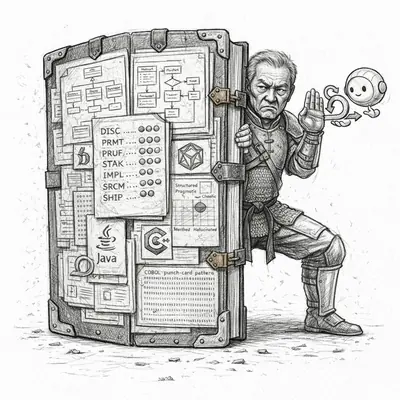
Daredevil of AI Disaster
archetype
 V1
V1
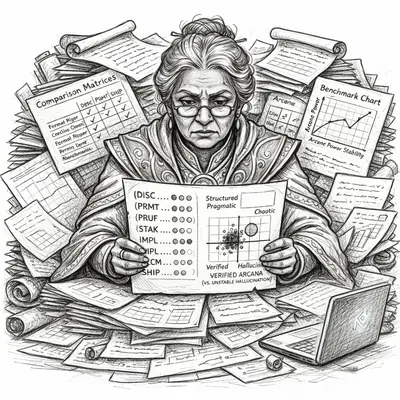
Shield Bearer
archetype
 V1
V1
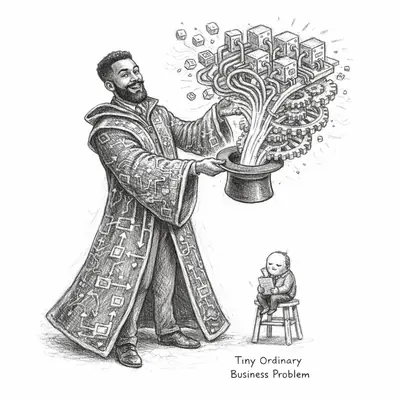
Archmage of Analysis Paralysis
archetype
 V1
V1
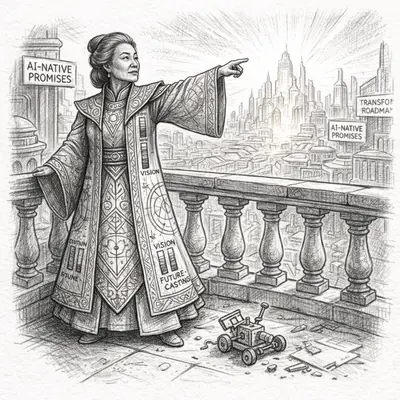
Illusionist of AI Complexity
archetype
 V1
V1
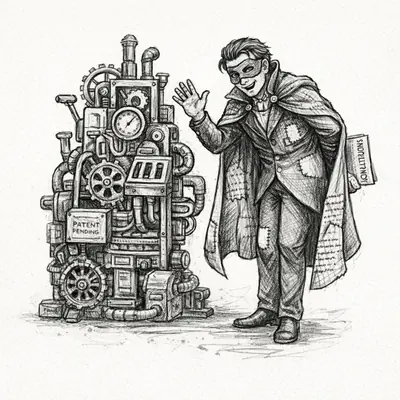
Visionary of Grandiose Plans
archetype
 V1
V1
Bandit of Borrowed Brilliance
archetype
 V1
V1
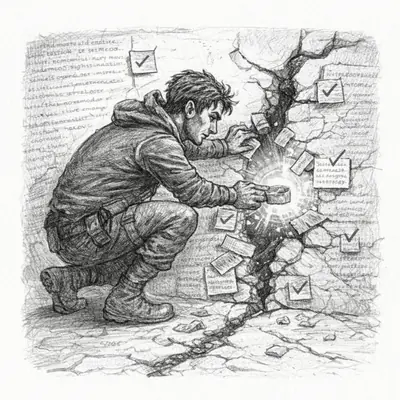
Outlaw of AI Plunder
archetype
 V1
V1
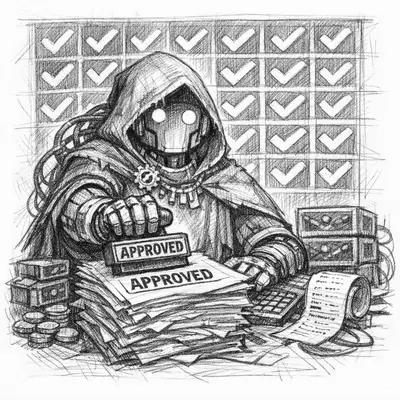
Shadow Patcher of Ephemeral Solutions
archetype
 V1
V1
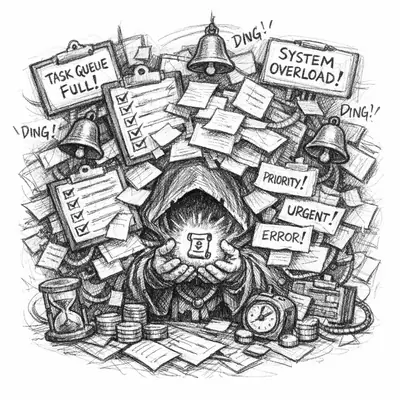
Faithful Automator
archetype
 V1
V1
Ritualist
archetype
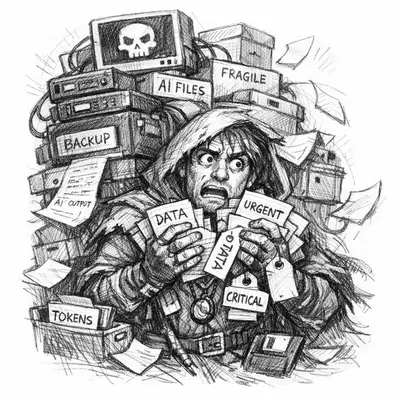 V1
V1
Doomsday Archivist
archetype
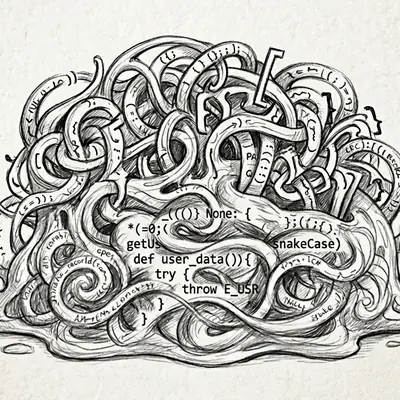 V1
V1
The Congealing Slop
monster
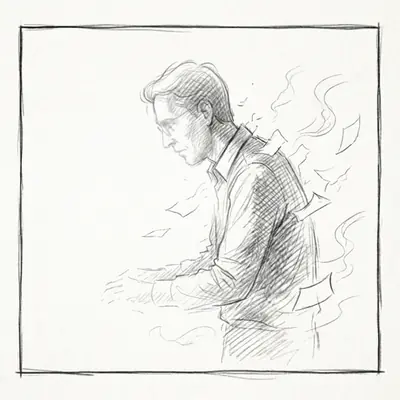 V1
V1
The Phantom Intern
monster
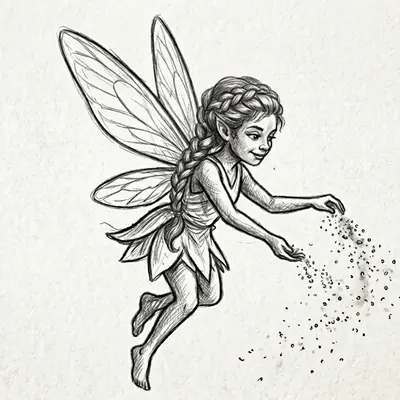 V1
V1
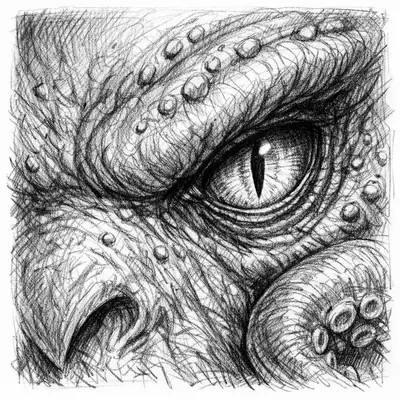
The Probability Pixie
monster
 V1
V1
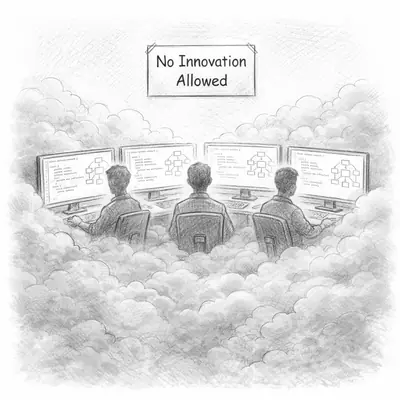
The Scope Creep Kraken
monster
 V1
V1
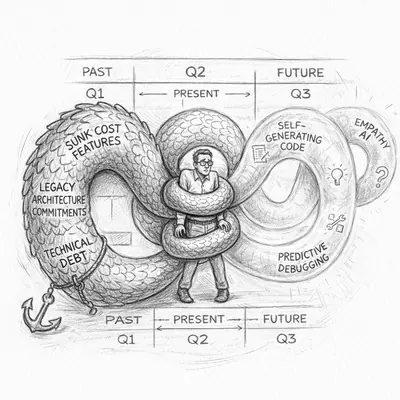
The Stagnant Miasma
monster
 V1
V1
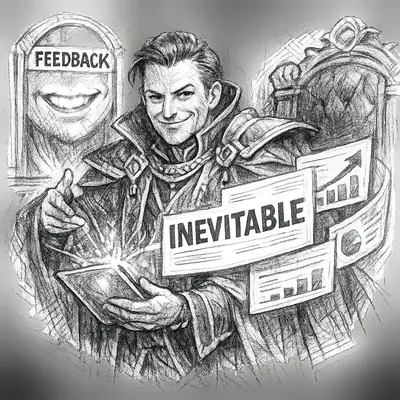
The Temporal Tangle Worm
monster
 V2
V2
The Court Sorcerer
npc
 V2
V2
The Vendor Bard
npc
 V2
V2
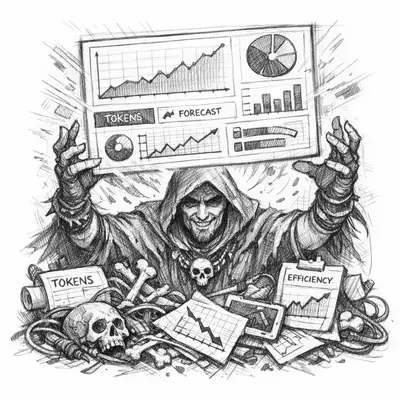
The Dashboard Necromancer
npc
 V2
V2
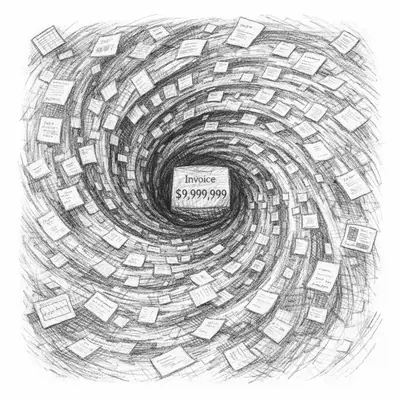
The Cost Singularity
monster
 V2
V2
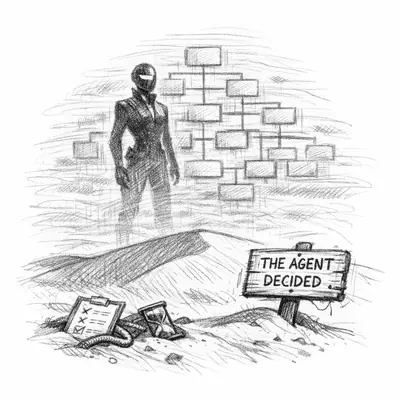
The Autonomy Mirage
monster
 V2
V2
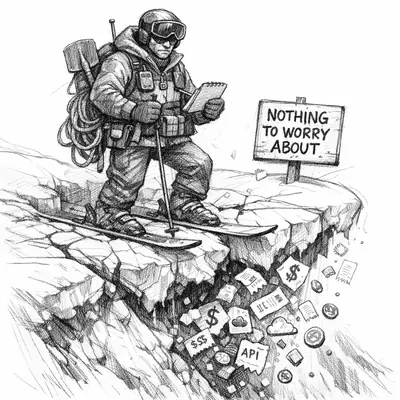
The Avalanche Skeptic
npc
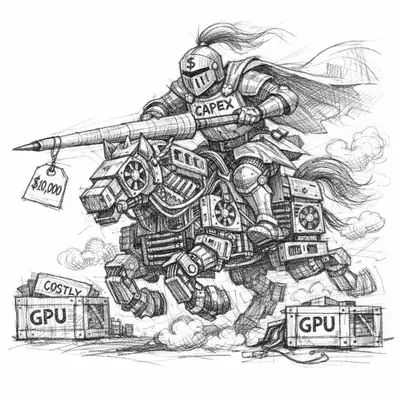 V2
V2
The CapEx Knight
npc
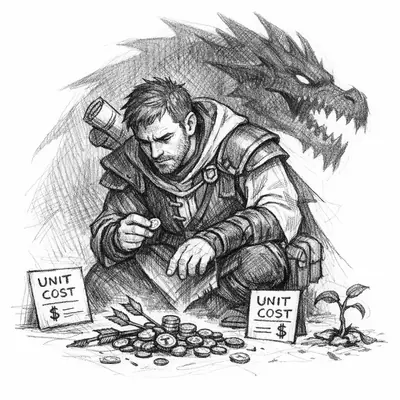 V2
V2
The Efficiency Evangelist
npc
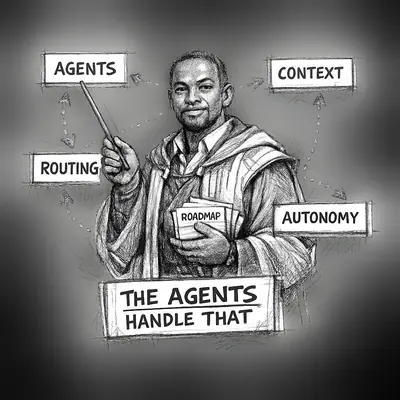 V2
V2
The Agent Whisperer
npc
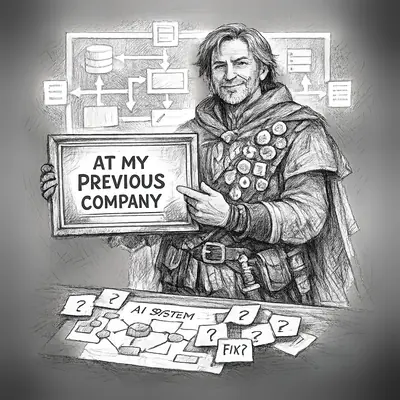 V2
V2
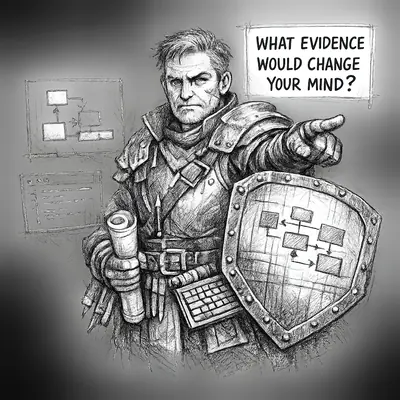
The Legacy Laureate
npc
 V2
V2
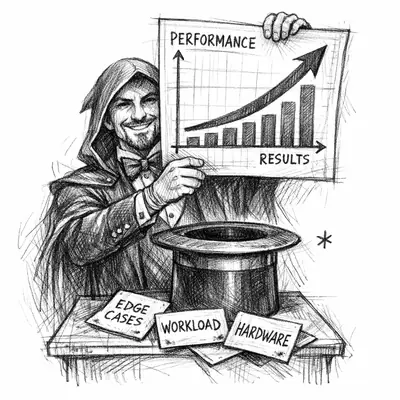
The Last Stand Architect
npc
 V2
V2
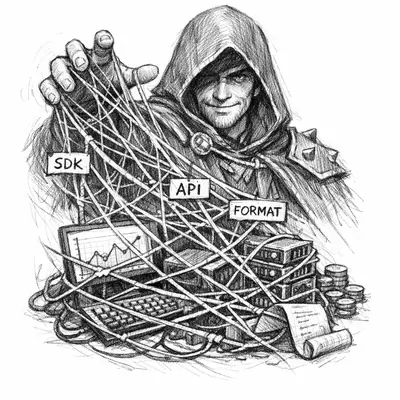
The Benchmark Illusionist
npc
 V2
V2
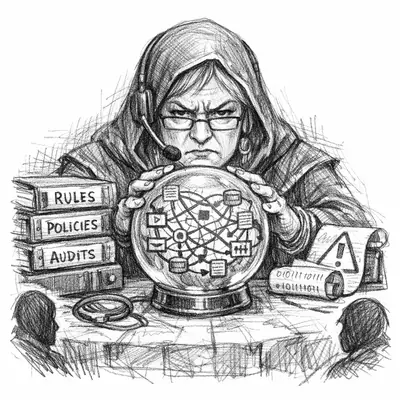
The Lock-In Enchanter
npc
 V2
V2
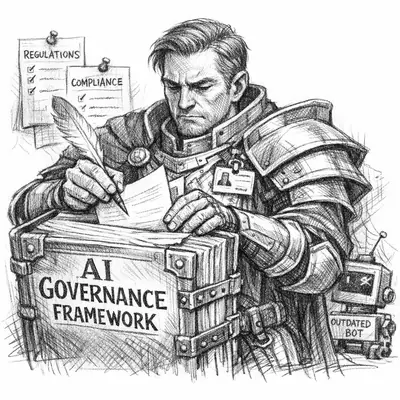
The Compliance Oracle
npc
 V2
V2
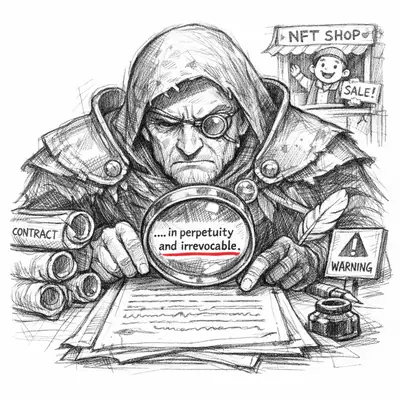
The Policy Paladin
npc
 V2
V2
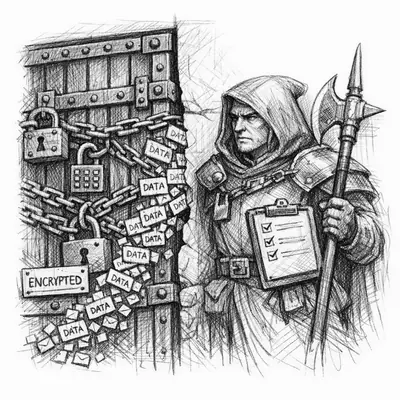
The Terms Warden
npc
 V2
V2
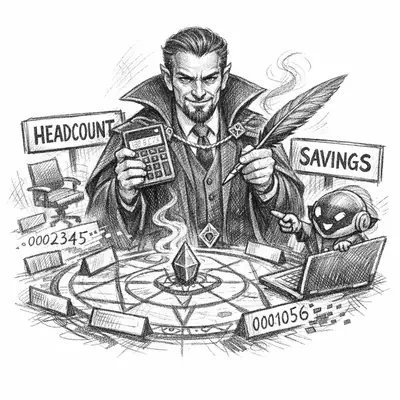
The Data Gatekeeper
npc
 V2
V2
The Warlock of Staff Reduction
npc
 V2
V2
The Solo Sovereign
npc
 V2
V2
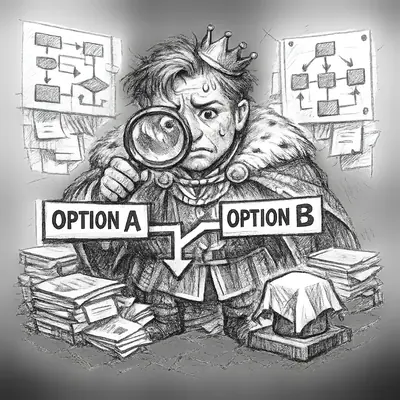
The Befuddled Monarch
npc
 V2
V2
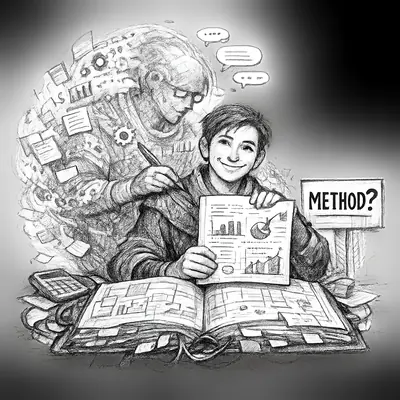
The Ghost in the Ledger
npc
 V2
V2
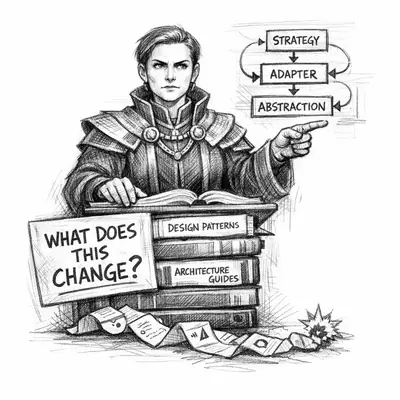
The Pattern Pontiff
npc
 V2
V2
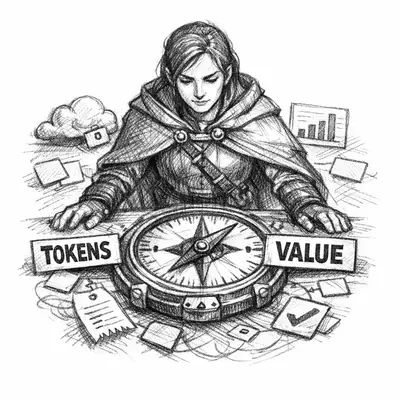
The FinOps
npc
 V2
V2
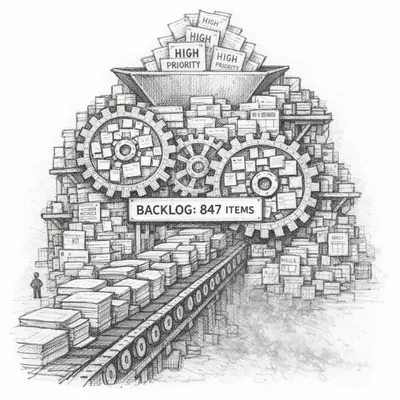
The Infinite Backlog Engine
monster
 V2
V2
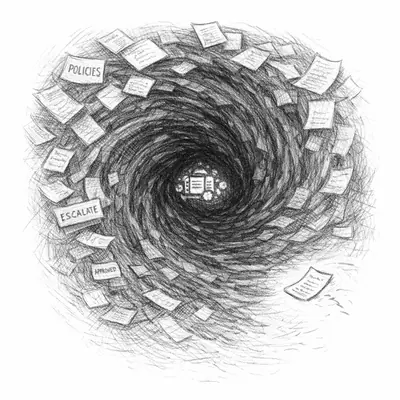
The Compliance Black Hole
monster
 V1
V1
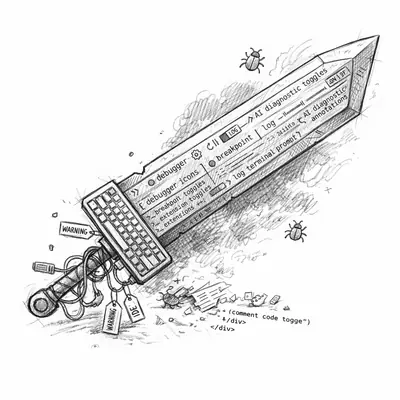
Debugging AI Greatsword
artifact
 V1
V1
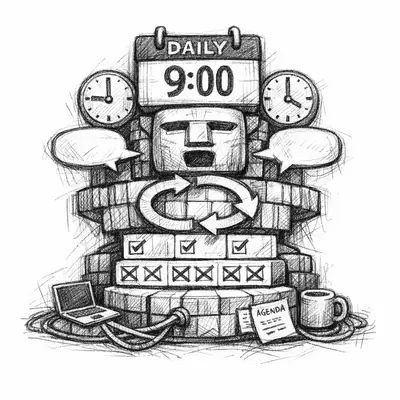
Eternal Standups
artifact
 V1
V1
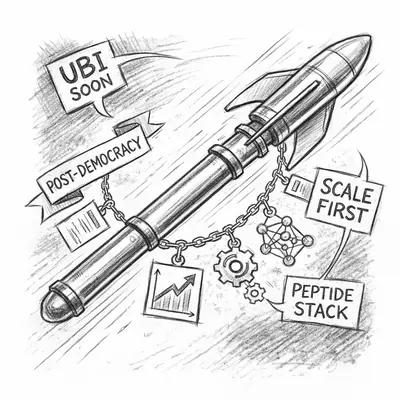
Infinite Acceleration
artifact
Recognize one of these in your codebase?
Free cheat sheet, excerpts, and interactive diagnostics.