
Why AI Coding Needs Anti-Patterns
Something shifted in software over the last couple of years, and most teams felt it before they found the language for it.
Read excerpt →A fantasy-RPG-inspired field guide to AI-assisted coding
Developer archetypes, organizational monsters, non-player characters, spells, and artifacts — the patterns you recognize but couldn't quite name. Two volumes of field-guide entries for teams who want to name the pattern instead of blaming the person.
The field guide names the failure modes you've seen but couldn't quite describe — characters, monsters, and the symptoms each one leaves on a codebase.

The process will save us.
Symptom: Green builds shipping things nobody understands, AI-generated tests verifying AI-generated code, and a quiet erosion of human judgment from the review loop.
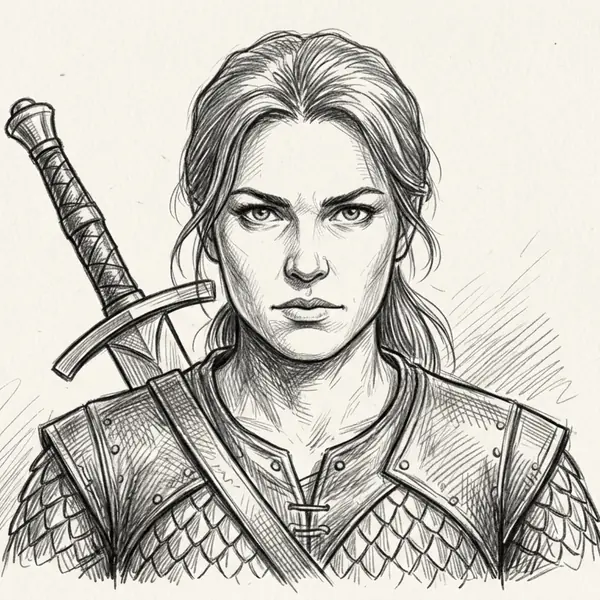
Charge first, ask questions never.
Symptom: Two hundred lines of plausible code in thirty seconds, merged before lunch. Velocity metrics love them. Postmortems hate them.
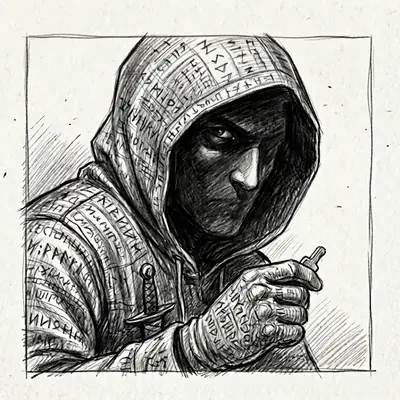
Rules are for people who get caught.
Symptom: Hot-fixed branches, missing tests, and 'I'll add the review later' that never comes. Things ship. Other things break quietly.

When all you have is a prompt, everything looks like a spell.
Symptom: Architectural decisions justified with 'the model said,' design docs that read like prompt outputs, and a creeping inability to explain why the system is shaped the way it is.
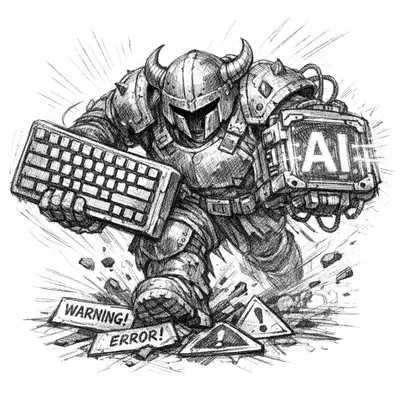
Charge first, ask questions never
Symptom: Large, fast pull requests that work on the happy path but crumble under edge cases. Code reviews met with 'it works, though.' When AI-generated code breaks, they don't analyze the failure — they prompt the AI again and replace the broken code with new generated code.
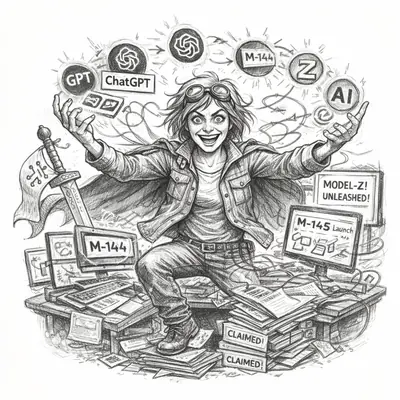
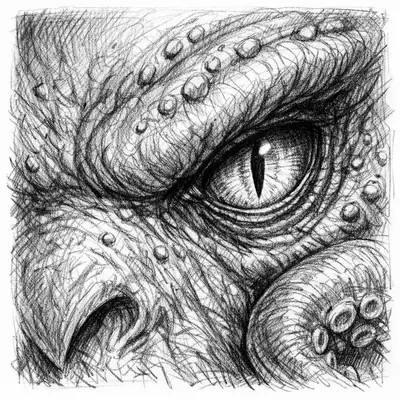
Every model launch is a migration plan
Symptom: GitHub full of partially finished projects. Local environment cluttered with experimental tools. References to obscure services. Treats governance as an inconvenience for less visionary people. Can burn through thousands of dollars in API costs in a single day.
Quizzes plus live AI tools built from the book — useful on their own, sharper after the chapters.
~60 seconds · 8 questions
Find out whether you're a Fighter, Wizard, Rogue, or Cleric — and what AI is amplifying about you.
Take the quiz →~90 seconds · symptom checker
Check the symptoms you've actually seen. Watch the haunting meter rank the four monsters in real time.
Run the diagnostic →Live AI · paste only
Paste a LinkedIn About/Experience section or a resume/bio. Get a witty bestiary match — not career advice.
Match a profile →Live AI · chat
Ask the eager, slightly hollow intern about monsters, review habits, and the field guide.
Open the chat →See what you're getting
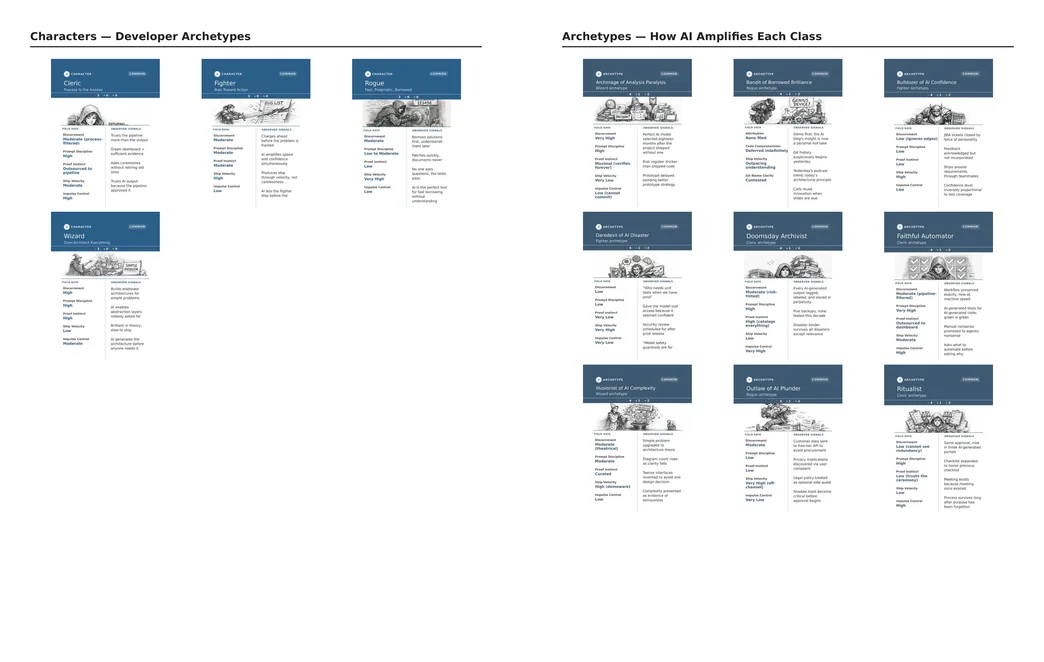
A free printable PDF with all 98 cards from both volumes — characters, archetypes, monsters, NPCs, artifacts, and spells — as mini cards you can pin to your wall or hand around the team. A taste of the full deck.
No spam. Unsubscribe anytime. The cheat sheet lands in your inbox right after you confirm.
Something went wrong on our end. Please try again, or email tobrien@slopcodex.com and I'll send the cheat sheet by hand.
I just sent a confirmation email to that address. Click the button inside it and the cheat sheet PDF will arrive in another minute or two. (If it's not there, give Gmail a moment, then check Promotions or Spam.)
Start with the introduction, then pick a monster.
Something shifted in software over the last couple of years, and most teams felt it before they found the language for it.
Read excerpt →If you've spent any time around AI-assisted software work, you already know the moment when the Scope Creep Kraken first puts a tentacle on the boat.
Read excerpt →Code appears in your repository with no clear author, no review trail, and no institutional memory. It was generated, pasted, and committed. Now it's your problem.
Read excerpt →