You have seen this project before. It starts with a clear scope. Three weeks later, an AI assistant has suggested seventeen adjacent improvements. The team has adopted six because generating each suggestion cost almost nothing.
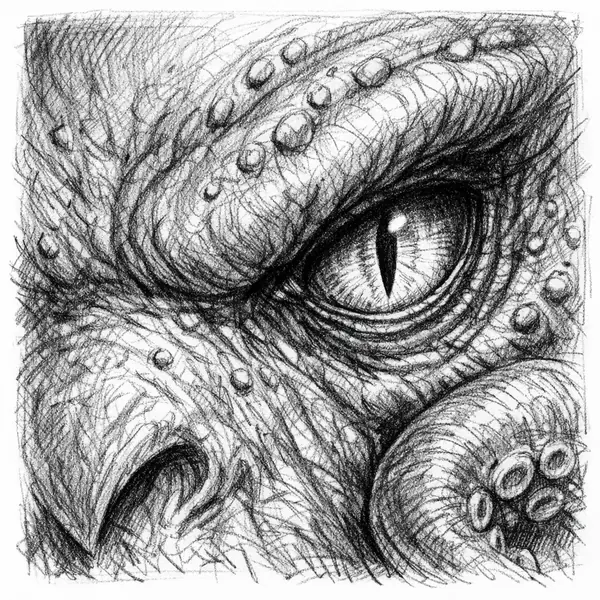
That is how the Scope Creep Kraken feeds.
The problem is not that the suggestions are foolish. Most of them sound reasonable. A better export screen would help someone. A new integration could open a useful workflow. A small reporting feature might make the product easier to sell.
The problem is that a free idea is not free work.
Before AI, adding scope usually required a person to make an argument. Someone wrote the justification, estimated the effort, found budget, answered objections, and defended the change in a meeting. That friction was irritating. It was also a filter. A weak idea often disappeared before it became a commitment.
AI removes much of the friction from proposing. One prompt produces a feature description, a rationale, acceptance criteria, and perhaps a first implementation. The idea arrives looking more mature than it is. Adding it to the backlog takes one ticket, so the team starts treating the suggestion as if it has already earned a place in the plan.
The cost of rejecting it can feel higher than the cost of accepting it. In an AI-heavy culture, caution starts to look like falling behind. Nobody wants to be the person who dismissed the feature that might have made the product more valuable.
So the backlog grows. Not because every decision was wrong, but because the cost of proposing fell while the cost of evaluating stayed the same.
The Kraken's tentacles are dependencies. A feature rarely ends with the work described in its title. A new screen may need permissions, analytics, tests, accessibility support, documentation, and a sensible response when the underlying data is missing. An integration needs credentials, retries, monitoring, error handling, and a plan for vendor changes.
One addition may be manageable. Ten additions create a system nobody can explain cleanly.
AI makes the trap harder to escape because it can generate the first version of each tentacle too. A prototype appears before the team has decided whether the feature belongs. Once the code exists, deleting it feels wasteful. The experiment starts to look like a commitment because someone has already spent time making it real.
That is sunk cost wearing a helpful face.
The fix is straightforward, though it requires discipline. Every AI-suggested addition should pass through the same gate as a human-suggested one. What problem does it solve? Who has that problem? What evidence says it matters? What work will it displace? What new failure modes does it introduce? Who owns it after launch?
The question about displacement matters most. If the team adds work without removing anything, it has not made a tradeoff. It has expanded the promise and quietly moved the deadline.
Ideas that are worth evaluating should get a time limit and a decision at the end. Do not let "we can look at that" become a permanent status. A short investigation can answer whether a feature deserves a place in the plan. It should not create an endless pre-commitment state.
Keep a separate space for interesting ideas that are not commitments. A parking lot is useful when it is allowed to remain a parking lot. Review it occasionally, but do not let every parked idea gather tickets, mockups, and partial code until removing it feels impossible.
The Kraken feeds on the gap between the cost of proposing and the cost of evaluating. Close that gap. Make ideas earn attention before they earn a backlog position.
The goal is not a smaller list for its own sake. The goal is to give the team its attention back and let the project finish what it started.