The easiest lie of the AI era is that generation is the hard part. It is not. Generation got cheap. Selection is still hard. Ownership is still hard. Saying no is still hard. Reading the thing before you approve it is still hard.
That last part sounds obvious until you look at how many plans, designs, and generated documents move through organizations without anyone really reading them.
A team asks for an implementation plan. An AI produces one in seconds. The plan looks coherent, detailed, and complete. Someone forwards it to a project channel. A few people react with thumbs-up emojis. The work enters the backlog.
Nobody checked whether the estimate matched the team’s capacity. Nobody asked who would own the result. Nobody looked for the dependency that turns a two-week task into a three-month commitment. The document was not false, exactly. It was simply accepted before anyone had tested its assumptions.
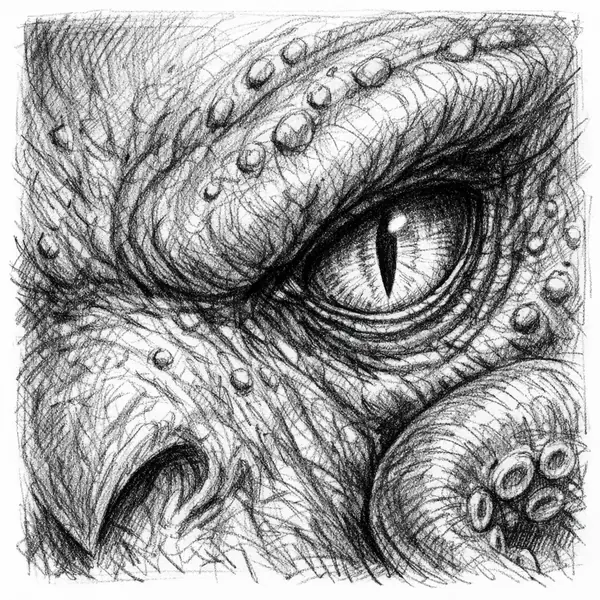
That is how a reasonable artifact becomes a monster.
The cost of doing nothing
The person who approved the pilot may have been trying to support experimentation. The person who generated the plan may have been under deadline pressure. The person who did not ask about cost may have been trying not to slow the room down.
None of them necessarily did anything wrong in that moment.
The trouble is that system-level failures rarely belong to one person. The Cost Singularity is not a single bad decision. It accumulates from many reasonable decisions made under uncertainty:
- a pilot is approved before anyone forecasts success;
- a tool is adopted before someone names its owner;
- a backlog fills before anyone selects what matters;
- accountability is discussed only after something breaks;
- a document is approved before its assumptions are read.
When the failure has no clear owner, a conversation aimed at an individual will not fix it. The corrective action has to be structural.
Forecast before commitment. Name an owner before rollout. Select explicitly before the backlog fills. Assign accountability before the crisis. Read before approving.
Names make patterns discussable
That is the purpose of a field guide full of classes, alignments, and monsters. The point is not to shame the people in the room. The point is to give the room names sturdy enough to survive contact with the next planning cycle.
The names are the useful part.
If you can leave a meeting and say, "We have an Avalanche Skeptic problem," people may understand the pattern without scheduling another meeting to define the terminology. If you can say, "This is a Backlog Engine," you have shortened a paragraph of complaint into a diagnosis.
The RPG framing helps because it puts the pattern outside the person. "We have a governance problem" can sound like an accusation. "We have a Compliance Black Hole problem" describes a dynamic shared by the group. A dynamic can be examined. A person has to be defended, corrected, or blamed.
Naming also raises the emotional stakes in a useful way. "We have a cost problem" sounds like a concern to add to a list. "We have a Cost Singularity" sounds like something that will keep growing unless someone intervenes.
The short version matters
The test of whether the vocabulary has stuck is simple: does it arrive when you need it?
Can someone say, "We have a Backlog Engine problem," instead of explaining that everyone is generating plans, nobody is reading them, and the backlog is growing faster than the team can work?
The four-word version sounds like a diagnosis. The twenty-two-word version sounds like a complaint. The diagnosis makes action possible because it tells the room what kind of intervention to consider.
But the name only works if people still inspect the underlying situation. A label is not a substitute for thought. It is a handle for thought.
Read the scroll before you cast it. Forecast at the scale of success, not the scale of the demo. Ask what happens if the pilot works. Name the person responsible for the next decision. Make the assumptions visible.
And if the monsters have already arrived, name them out loud. That is not the whole solution. It is the first move toward one.